
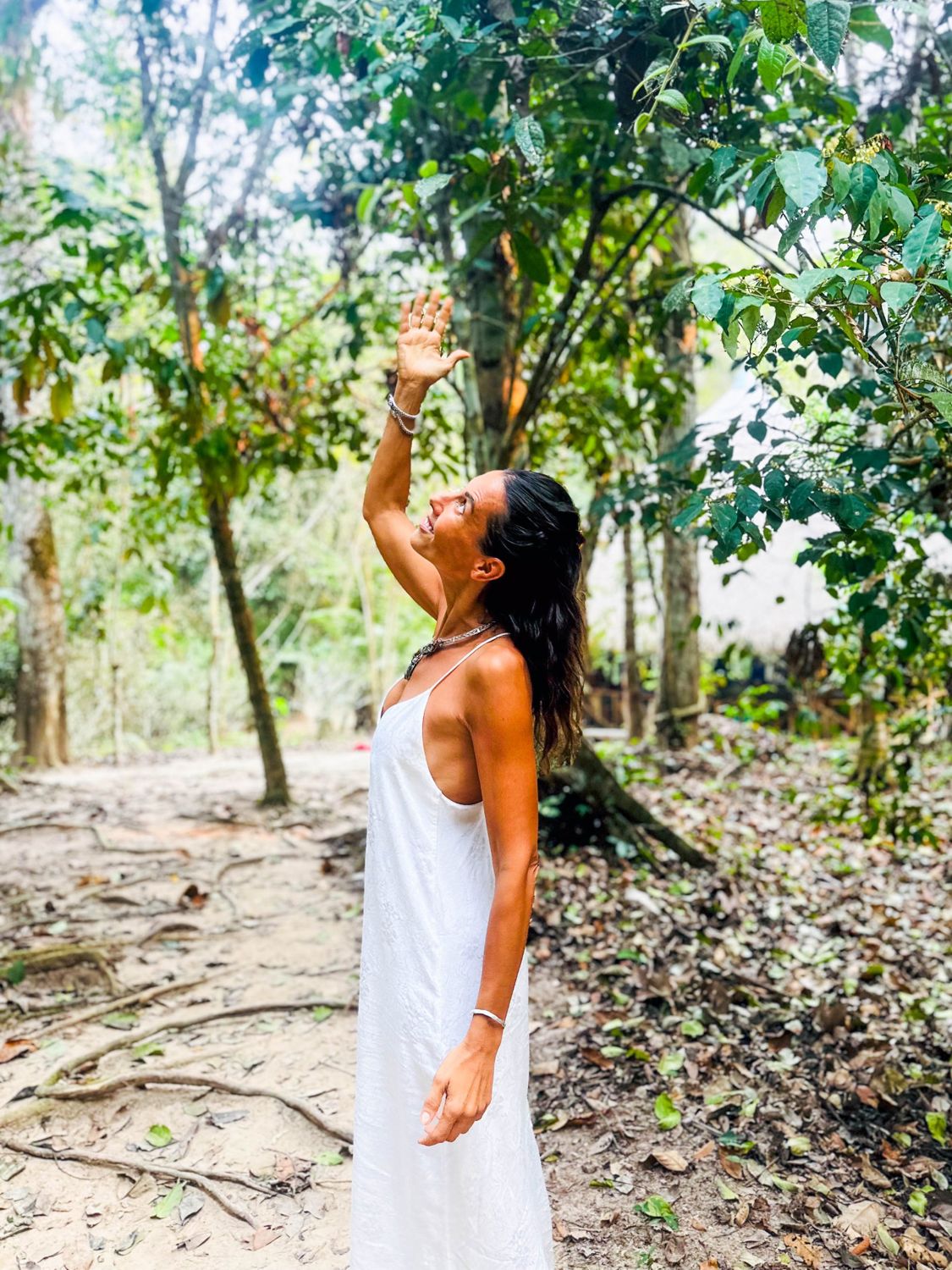
A letter from Satya
Dear friend,
If you are reading this guide, somewhere inside you have already said yes. And this journey begins precisely in the moment you feel that you said yes.
Since then, you may feel many things moving inside you. This is why we prepared this guide with care, thinking of the questions, challenges and fears that others who walked before you have had, so that you can feel more prepared.
From my experience, and everything I have learned over almost two decades on this path: ayahuasca is not a magic pill. She won't lie to you and she won't rescue you, but she will show you where to look. I hope this guide helps you.
I'm looking forward to meeting you in the forest.
With love,
Satya
How to use this guide
Two parts. Move between them freely.
Part I
Understanding the journey
What ayahuasca is, what science and the ancestral traditions say about it, how La Dieta works, what your days in the jungle look like and how you will be supported.
Part II
Preparing yourself
A workbook. It invites you to write, to reflect, and to prepare your body and your daily life for the retreat.
- Keep a notebook just for this journey. You can bring it with you to the jungle.
- Don’t rush. There is no right speed and no right answer.
- Some pages may touch tender places. That is natural, and it is part of preparing. If something feels too heavy, pause and reach out to us whenever you need.
- This guide doesn't replace your conversations with the team. If anything is unclear, ask. No question is too small.
Part I
Understanding the journey
What is ayahuasca?
The vine of the soul
The name comes from Quechua, a language of the Andes and the Amazon.
It is a brew traditionally prepared from two Amazonian plants, slowly, by people who know them. Every brew is a little different, because every preparation, every place and every person who makes it is different.
The name
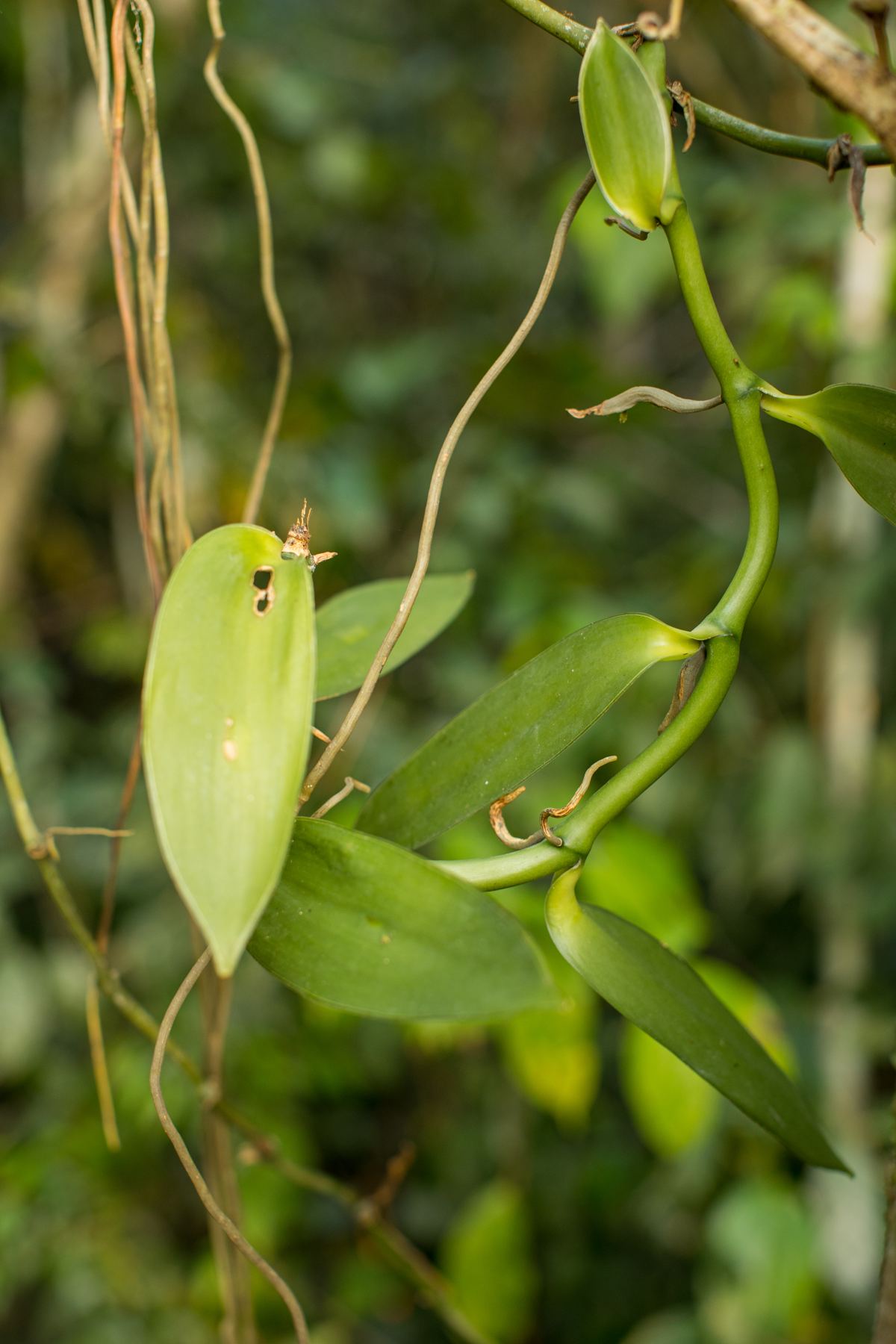
The ayahuasca vine
Banisteriopsis caapi. The vine that gives the brew its name.
The chacruna leaves
Psychotria viridis. The leaves of another plant, prepared together with the vine.
The medicine
Not a substance: a teacher plant, a living being you come into relationship with.
A teacher, not a substance
In the Amazon, ayahuasca has never been simply a substance. It is a teacher plant: a living being you come into relationship with, with its own wisdom, its own character and its own way of teaching.
“For us, the medicine is not a substance. It is the plant: the biochemistry it carries, and the spirit of the plant.”
SatyaWhat ayahuasca is not
That is why everyone who joins this retreat goes through a careful assessment first.
In Western language it is called a psychedelic. That word is useful, and it has helped this work reach new conversations. In this guide we mostly use the language of the jungle: medicine, ceremony, teacher plant. Not because one language is right and the other wrong, but because the way we name something shapes the way we approach it.
What science can and can’t tell us
An honest picture
What research explores
Researchers are studying ayahuasca’s possible role in depression, substance use, trauma and eating disorders, and how it affects the brain. The findings are promising, with limits: many studies are small, many rely on people’s own reports, and there is no agreed standard way of studying it. The setting, the ritual and the meaning people find seem to matter too.
What science can’t tell us
Science can describe some of what happens in the body and the brain. It cannot predict what your experience will be, and it cannot promise any outcome. Every person, and every ceremony, is different.
Where research and experience agree
Ayahuasca is powerful, and it carries real physical and psychological risks, especially with certain medications, health conditions or mental health histories. Assessment, preparation and experienced guidance reduce the risks, even though nothing can remove them completely.
The ancestral path
Teacher plants, icaros and reciprocity
There is no single ayahuasca tradition: there are many, each with its own songs, rituals and understanding, carried by different peoples across the Amazon.
The ceremonies at this retreat follow the tradition of the Peruvian Amazon and the vegetalistas, healers who work with plant medicine. We are not part of an Indigenous lineage, such as the Shipibo, and we do not present our work as representing one. We hold deep respect for the peoples who have safeguarded this medicine for generations, and we come to it with gratitude.
Reciprocity
The question is not only “What can I receive?” but also “What do I give back?” We give back through the way we live: more conscious, kinder to the people around us, more respectful of the land.
The icaros
Sacred healing chants of the Amazonian plant traditions. In our ceremonies, Satya sings the icaros. You don’t need to understand the words: you only need to listen.
Darkness and silence
Ceremonies take place in darkness, which helps the attention turn inward. Between the icaros there is silence, and the silence is part of the medicine too.
The purge
Purging is understood as cleansing, not as something going wrong: vomiting, but also tears, sweating, yawning or trembling. It is one way the body lets go of what it has been carrying.
Arriving as a guest
We arrive as guests: with humility, with respect, and without demanding anything. The forest is a living place, home to people, plants and animals, and it receives us.
These spiritual understandings are shared as perspectives from the tradition and from Satya’s experience, not as scientific facts. You don’t need to adopt any belief to take part. You are free to find your own meaning.
La Dieta
Tuning the instrument
Many people think La Dieta is only a food diet. In the Amazon it is much more: a sacred agreement with the plants. A way of saying, "I am ready. I am willing to listen. I set aside what distracts me so I can meet what is in front of me."
Satya often compares it to tuning an instrument before a concert. However skilled the musician, if the instrument isn't tuned, the music won't sound right. The dieta prepares your body, calms your mind and opens your heart, so you can receive the medicine in harmony. It isn’t a punishment or a restriction. It’s an offering.
Before
From 15 days before
- No pork or red meat
- No shellfish (white fish is fine)
- No fried, spicy or smoked food
- No dairy (eggs are fine)
- No sugar
- No coffee, including decaf (chicory is fine)
- No alcohol or drugs of any kind
During
In the jungle
Simple meals without salt, sugar, fat or fruit: rice, quinoa, plantain, and sometimes egg, fish or chicken. Vegetarian options are available. No sexual activity.
After
For 15 days after
A diet the team explains before you leave the jungle. No sexual activity for 15 days. Don't start any new medication or plan surgery without talking to us first.
Medication and supplements. From the moment you receive this guide, please don't take any medication or supplement, chemical or natural, without telling us first. See Gentle safety reminders.
The inner dieta
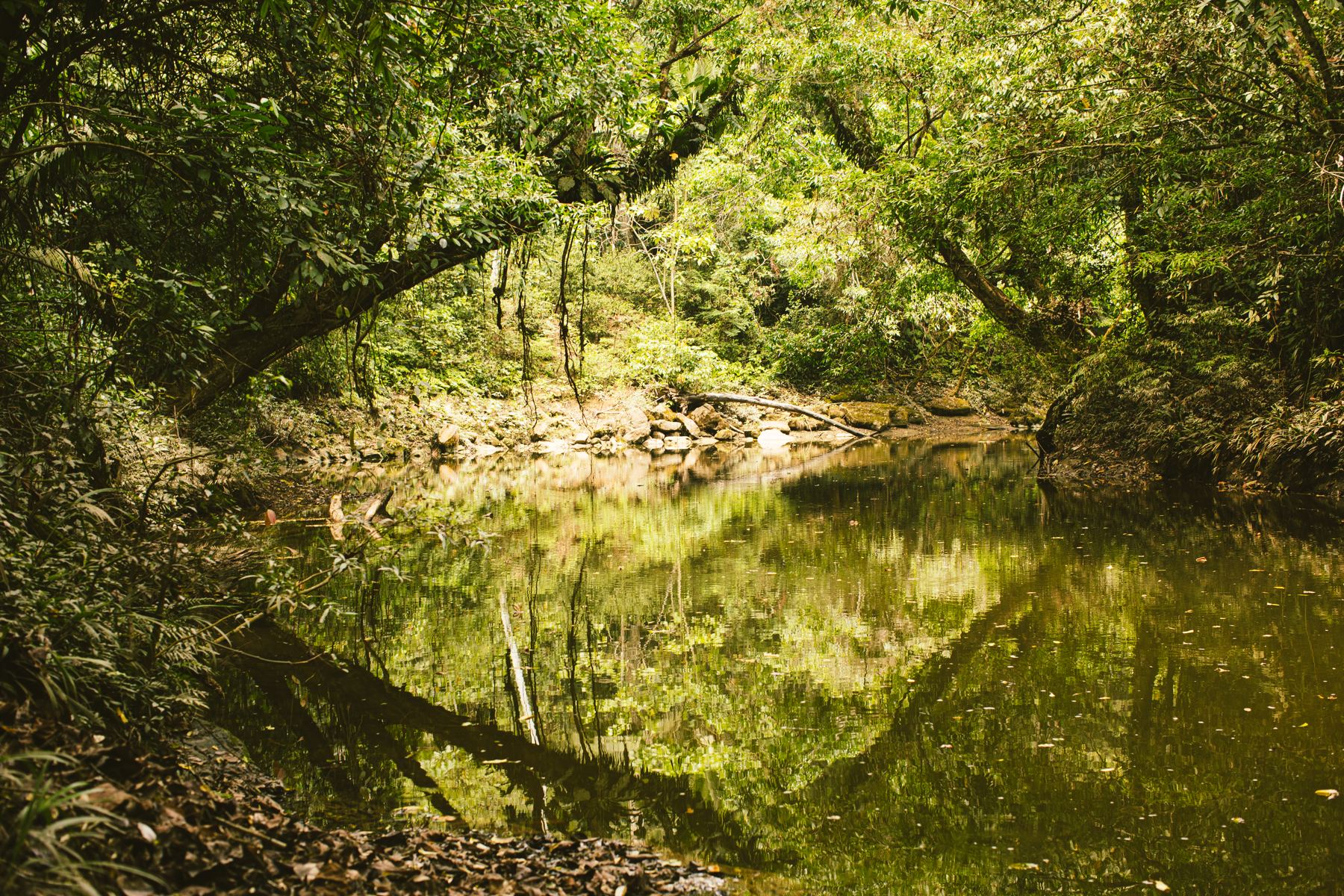
La Dieta is also a pause from the noise of the world, from the comforts we usually lean on and from the identities we carry. In the jungle this deepens: the silence of your tamboo, time alone, fewer distractions.
As you begin the dieta at home, 15 days before you travel, you may notice cravings, restlessness, irritability, boredom, or emotions rising that are usually covered by food, screens or busyness. That's not a sign something is wrong. It’s the dieta already working. Notice what is hard to let go of, and if you like, write about it in your notebook.
Body, mind, emotions and soul
All of you is welcome
In Satya's work, body, mind, emotions and soul are four dimensions of one being. The medicine may meet you in any of them, or in all at once. Experiences vary greatly from person to person, and no particular outcome is promised. The invitations below are not questions to answer now. They are doors to keep slightly open.
The body
The body remembers what we have lived. In ceremony you may feel heat or cold, heaviness or lightness, trembling, nausea, the urge to purge, deep tiredness or deep rest. Or it may simply stay quiet.
Notice where your body holds tension, and what it asks of you when you slow down.
The mind
The mind protects us. It explains, analyses, plans and defends. In ceremony it may become very busy or very still. You don't need to understand everything straight away.
Notice which thoughts keep returning when you think about the retreat, without trying to change them.
The emotional world
Joy, grief, fear, anger, tenderness or love, sometimes several at once, sometimes feelings you didn't know you carried. There is no right emotion to feel.
Which emotion do you find hardest to allow yourself? Simply notice it, with kindness.
The soul
Who am I beyond my roles? What is my place in nature? These questions belong to you, and any answers that come will be your own. For some it feels like connection; for others it is quieter.
When do you feel most connected, to yourself, to others, to nature or to something larger?
Integrative healing
Transformation across all dimensions of being
Body, mind, emotions and soul are four dimensions of one being. Satya’s work meets all of them, with a range of techniques and practices brought together in one integrative approach.
Techniques & practices
Your days in the jungle
Thirteen days, held by the forest
The retreat lasts 13 days. This is its general shape; exact dates, times and arrival details come with your practical information.
Arriving in Pucallpa
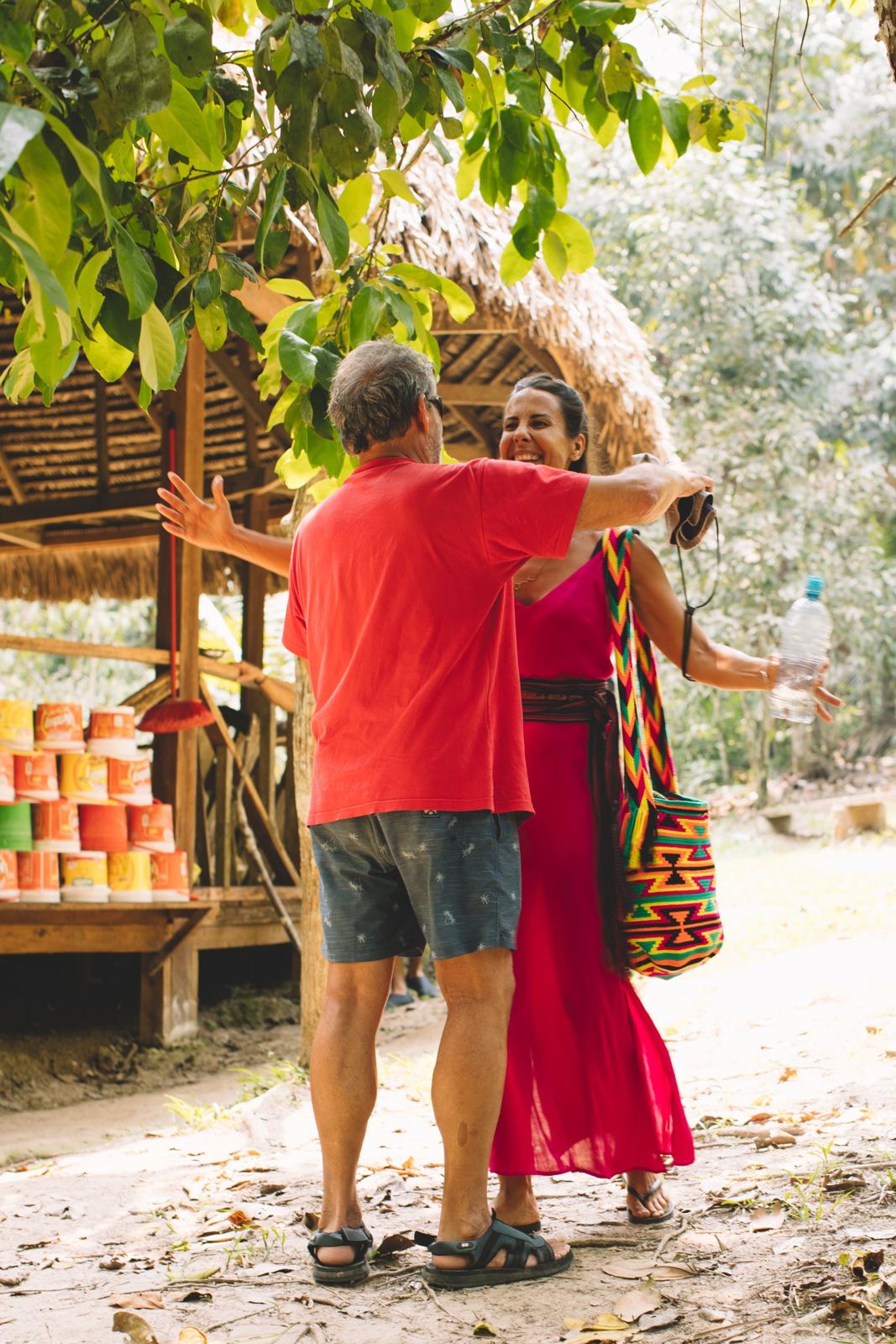
We meet you at the airport, welcome you and complete your registration. Night at the hotel with the group.
Next morning
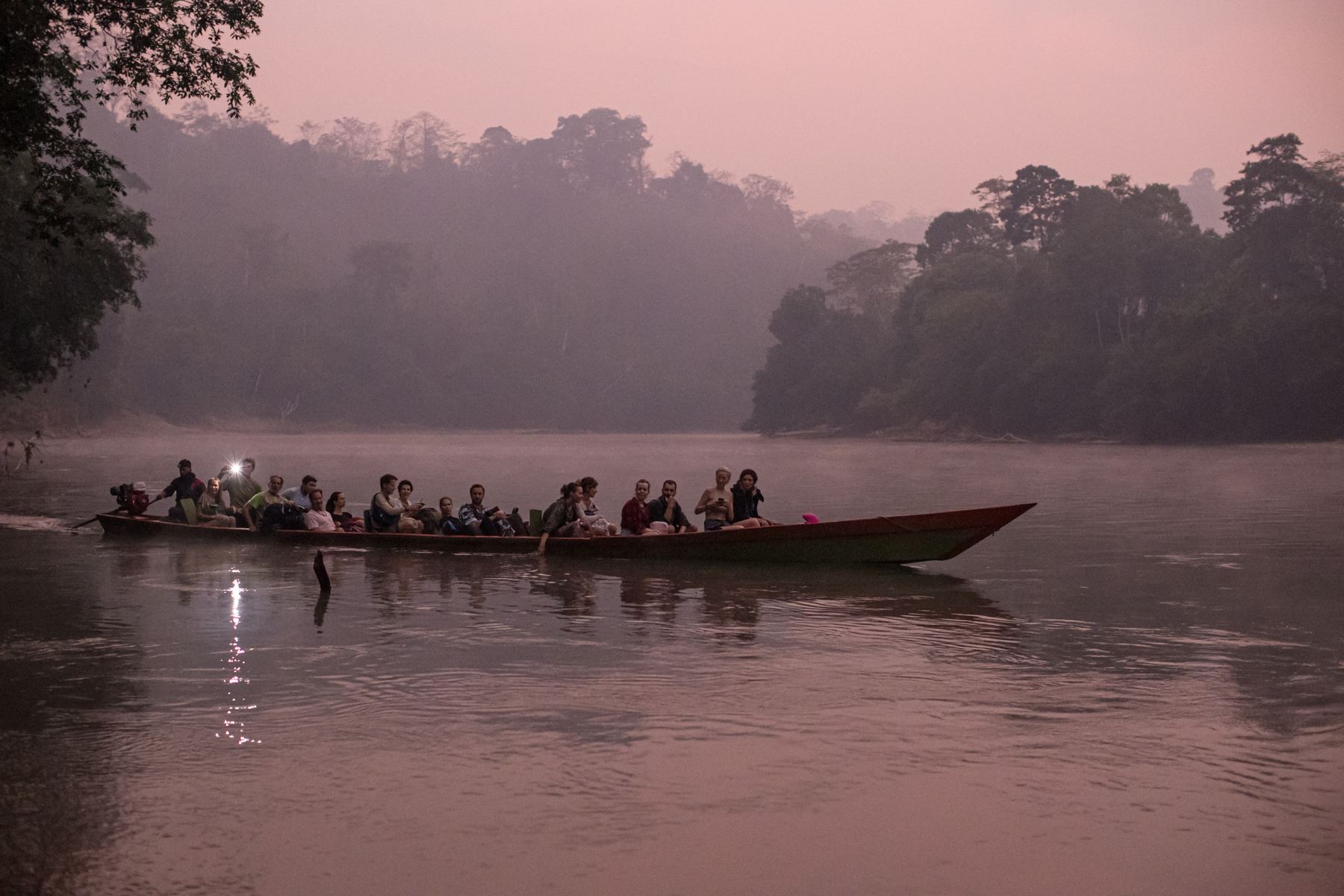
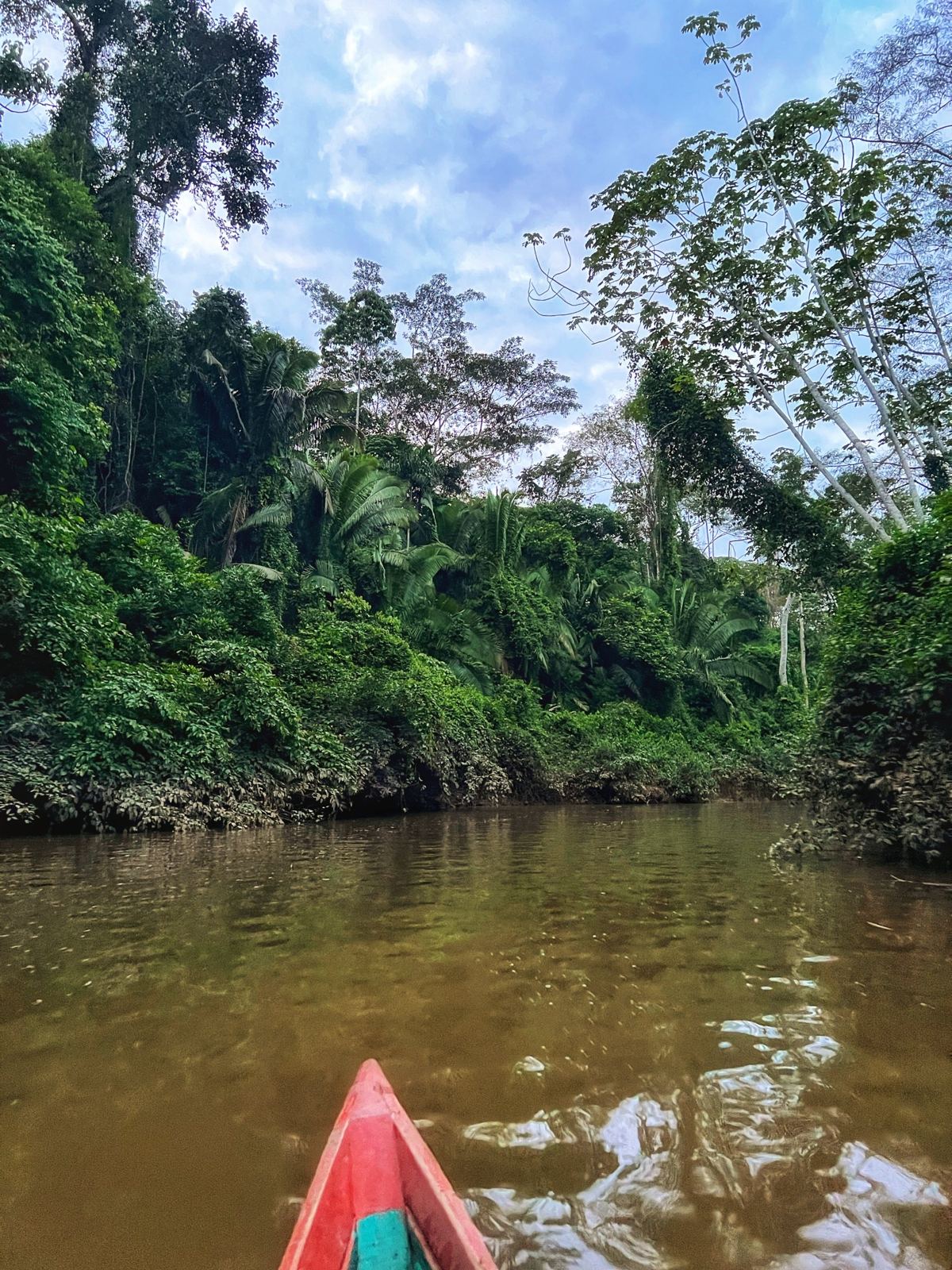
Car and canoe to the retreat centre. You settle into your tamboo and La Dieta deepens.
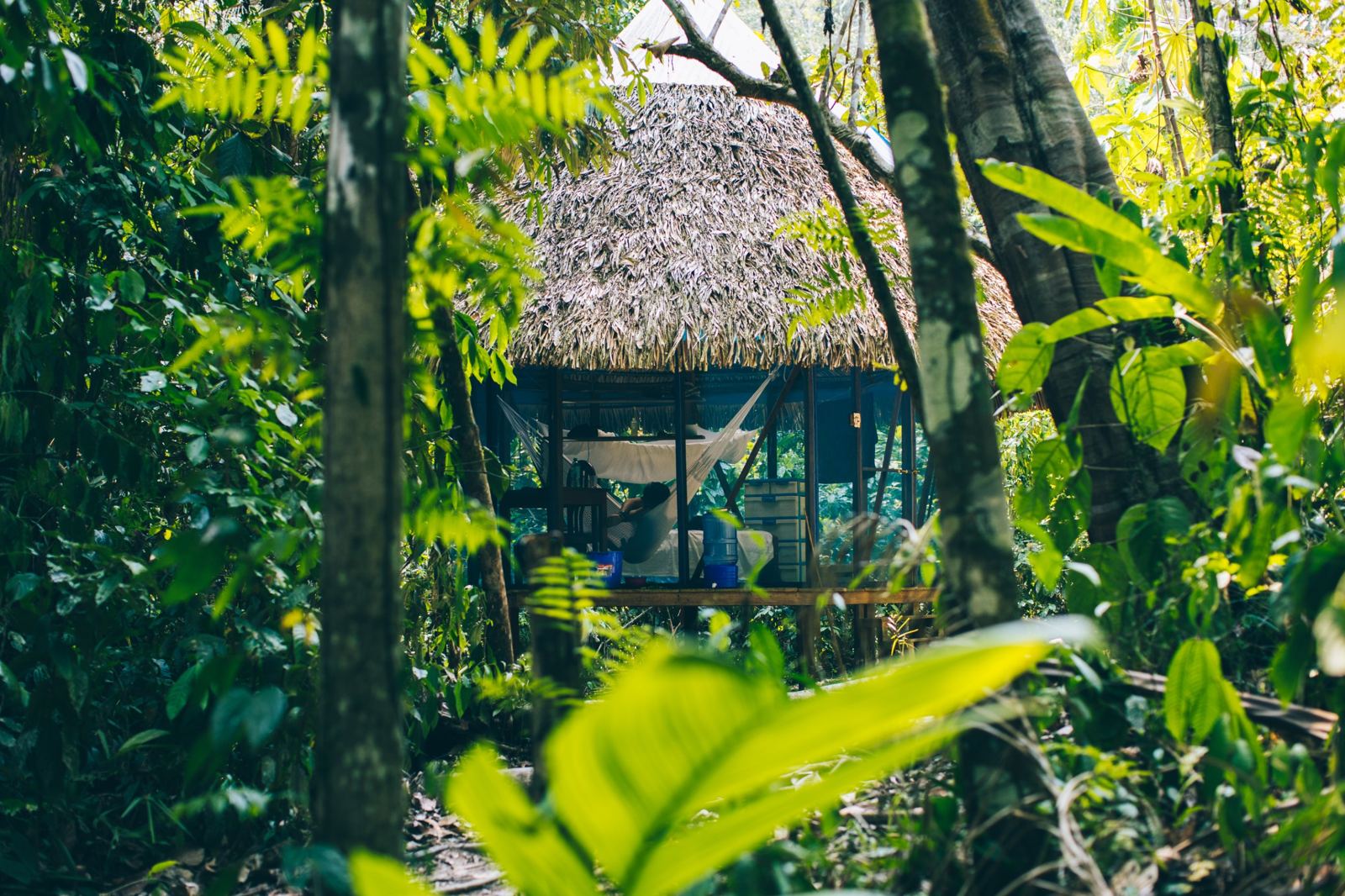
In the jungle
The heart of the retreat: 5 ceremonies, integration sessions, silence, rest and time in nature.
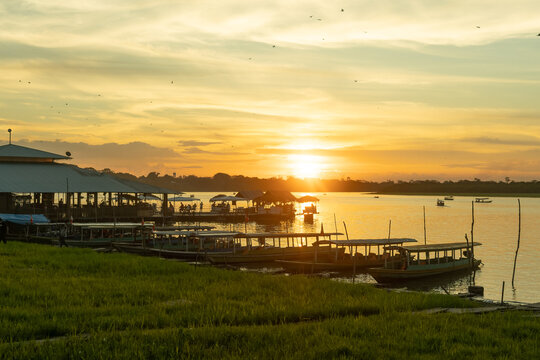
Return to Pucallpa and departure
The group returns to Pucallpa. The retreat ends.
Inside the jungle
5 ayahuasca ceremonies
Guided by Satya, in the tradition of the Peruvian Amazon.
La Dieta
Simple meals without salt, sugar, fat or fruit. No wi-fi, no electricity.
Private tamboos
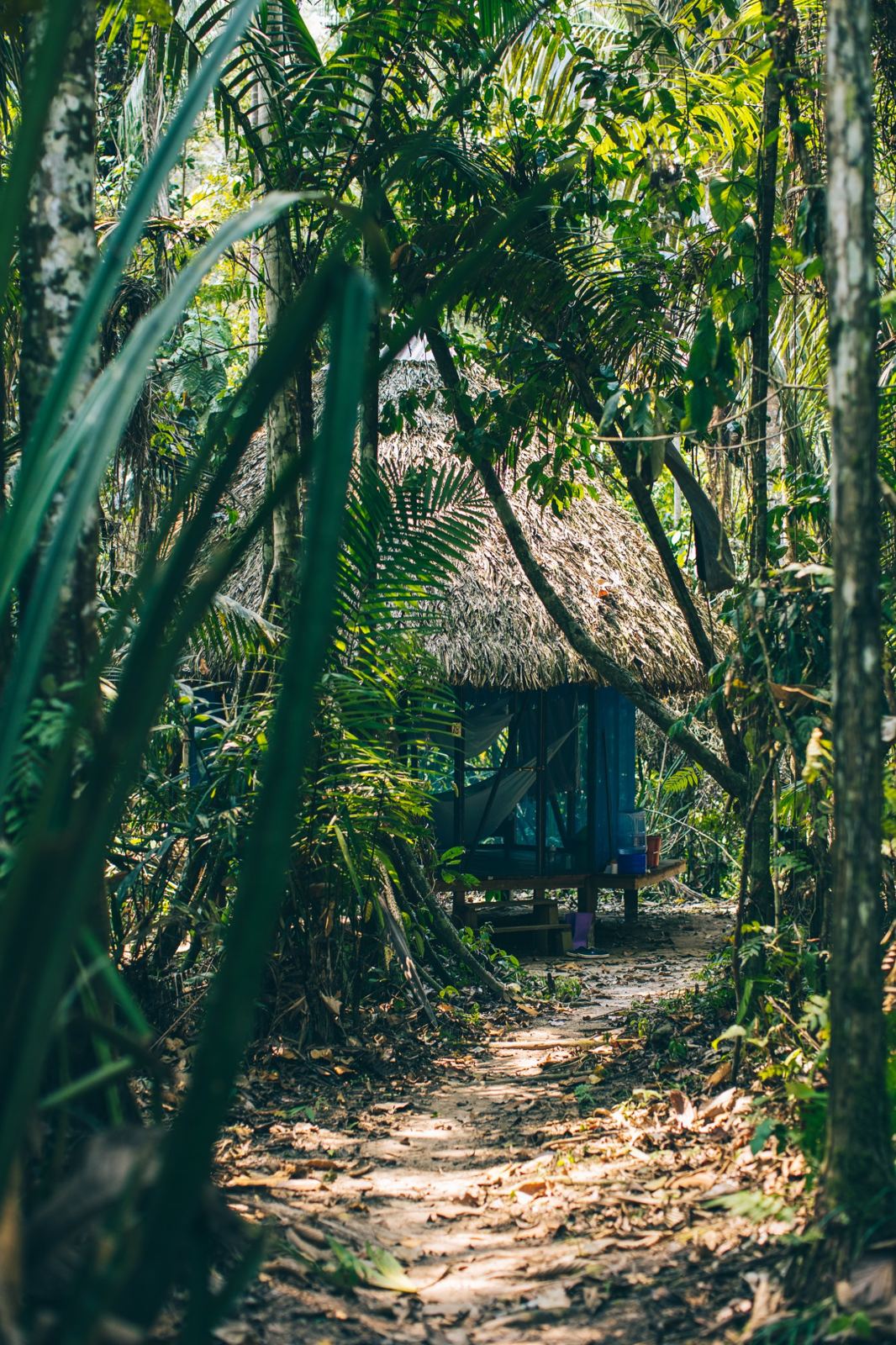
Wooden bungalows for deep silence and personal reflection.
Nature immersion
Surrounded by the lungs of the Earth. A return to silence.
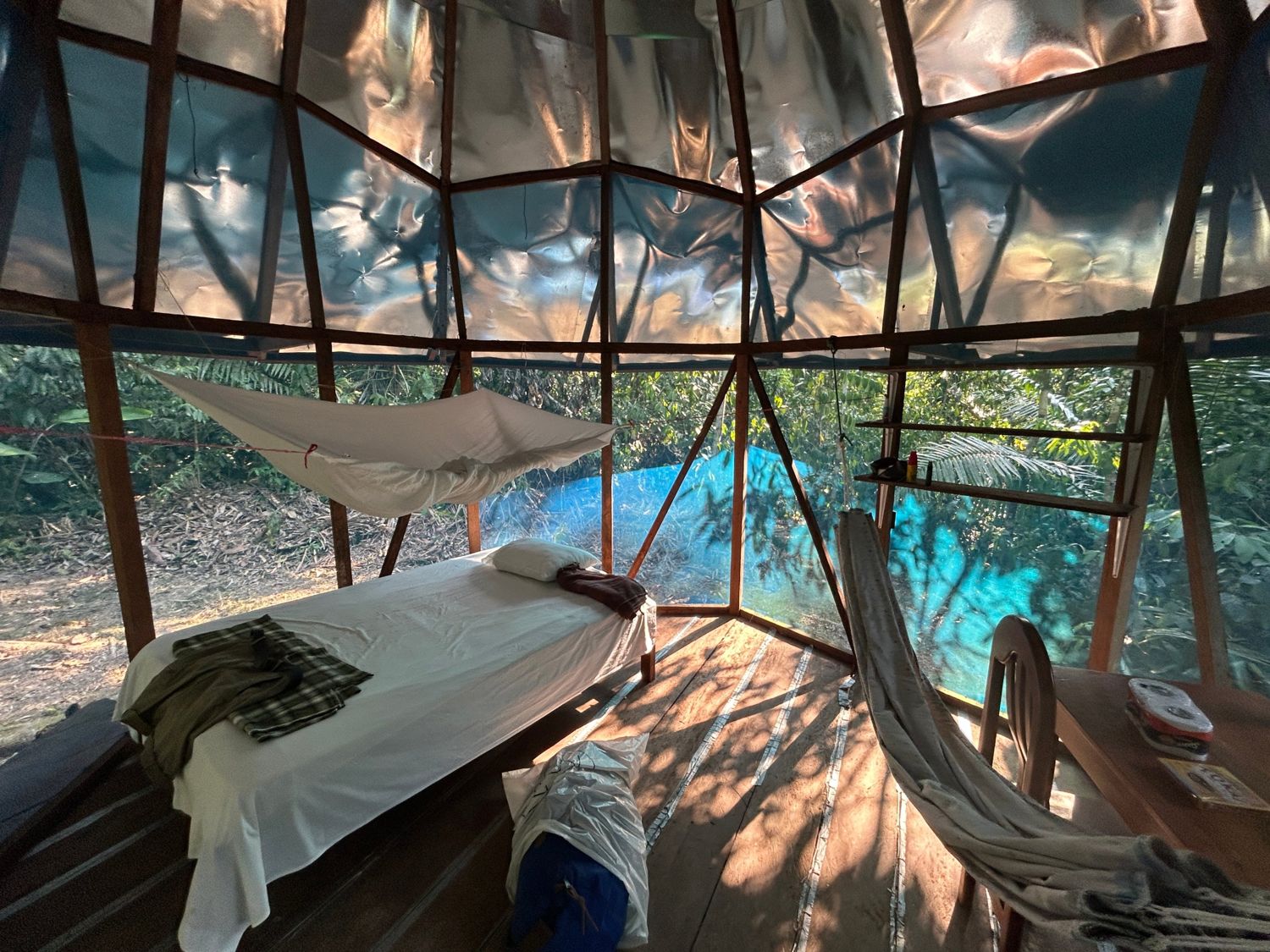
Your tamboo
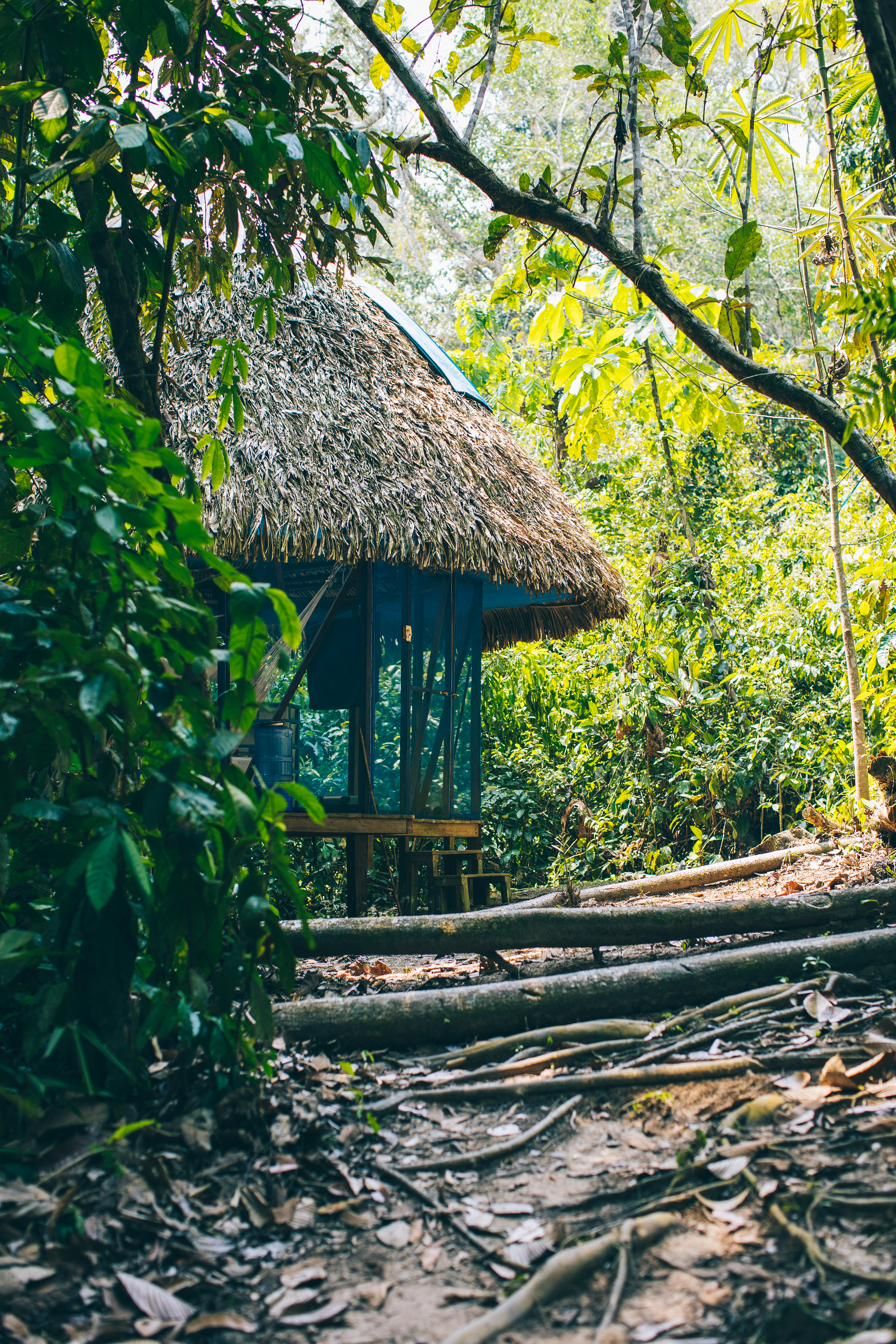
Your own small wooden bungalow by the river, with a bed, a hammock, a mosquito net, a water container, candles, and a table and chair. No wi-fi, no electricity. Your meals are brought to you.
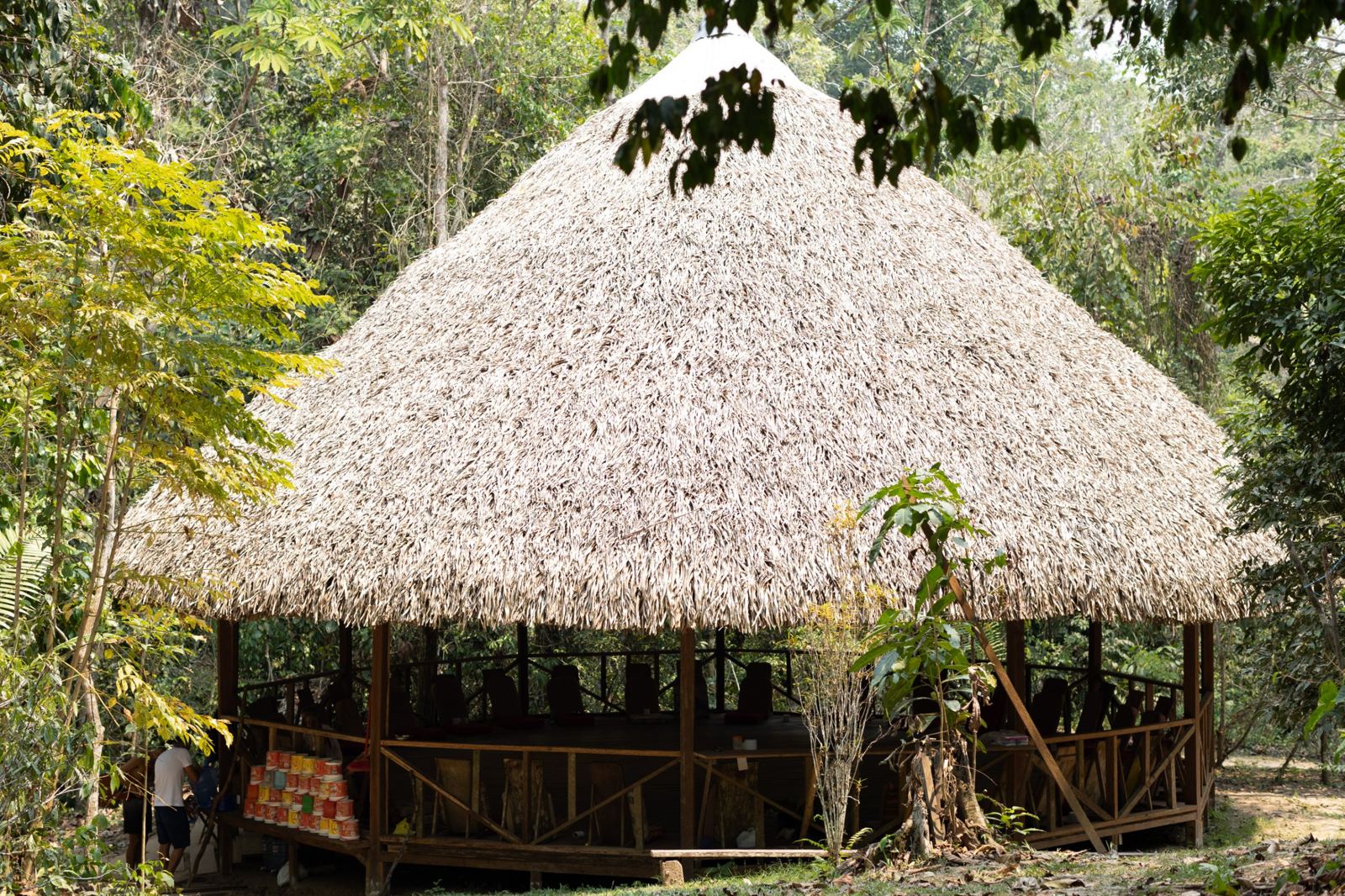
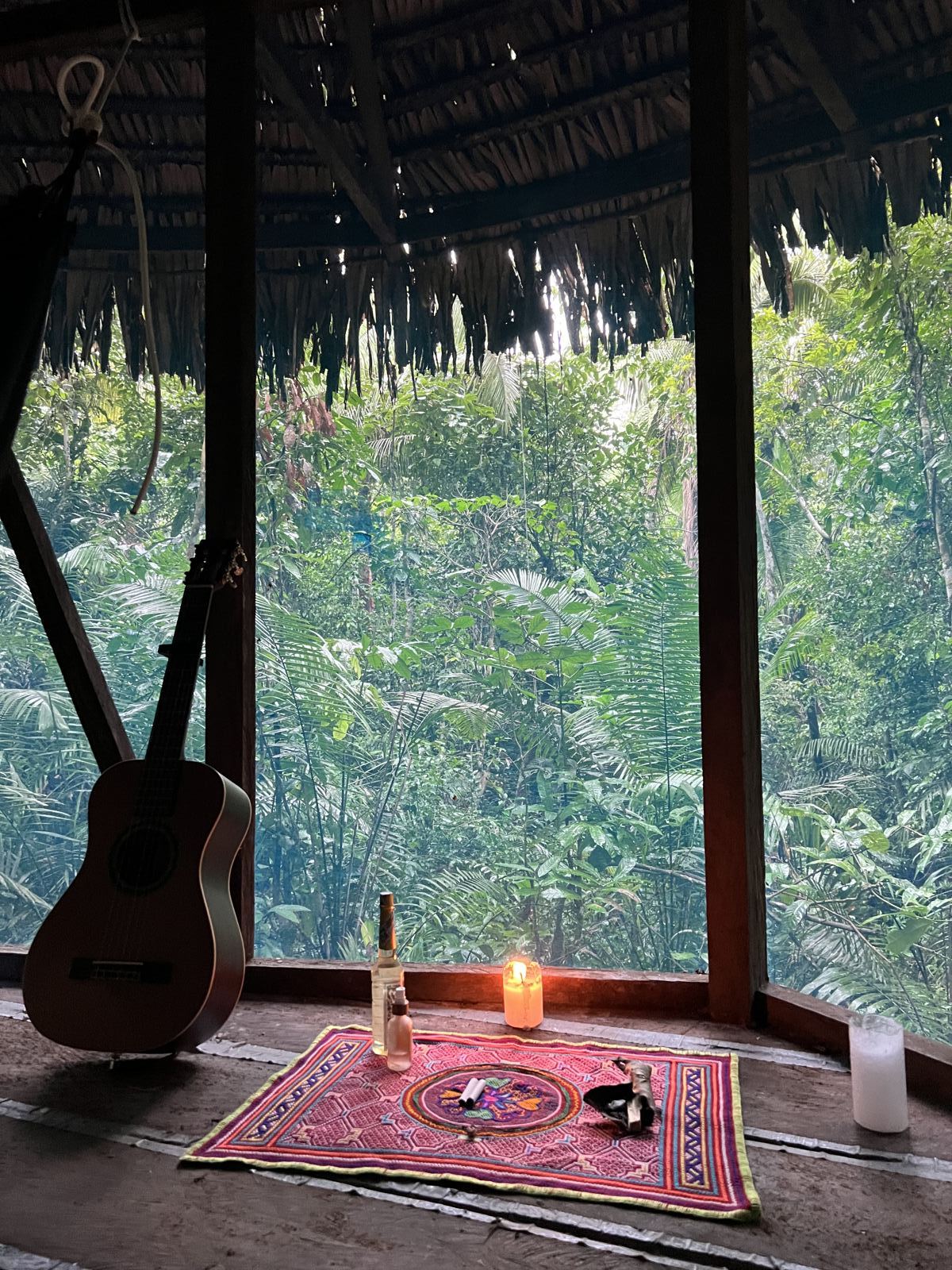
The maloca
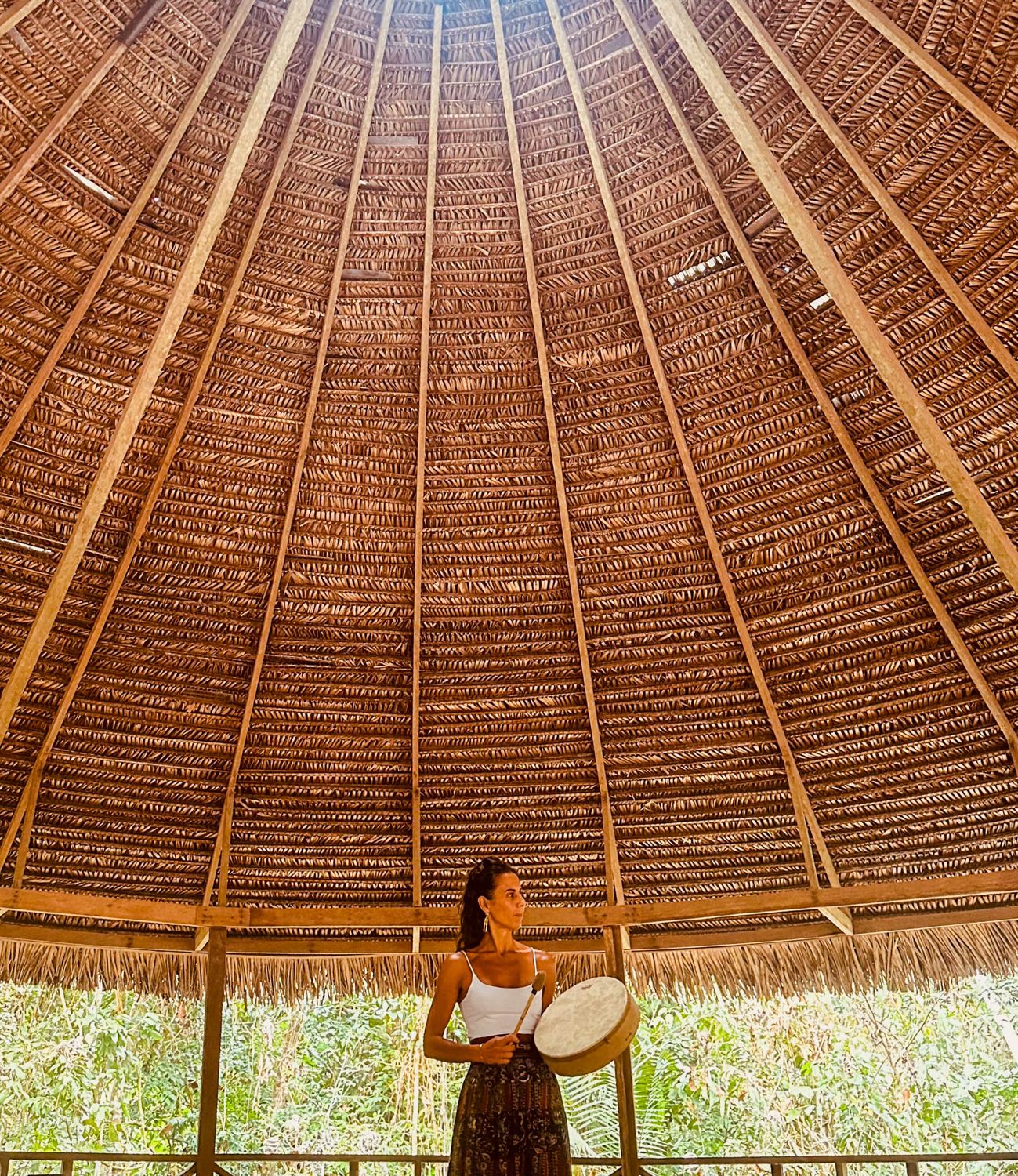
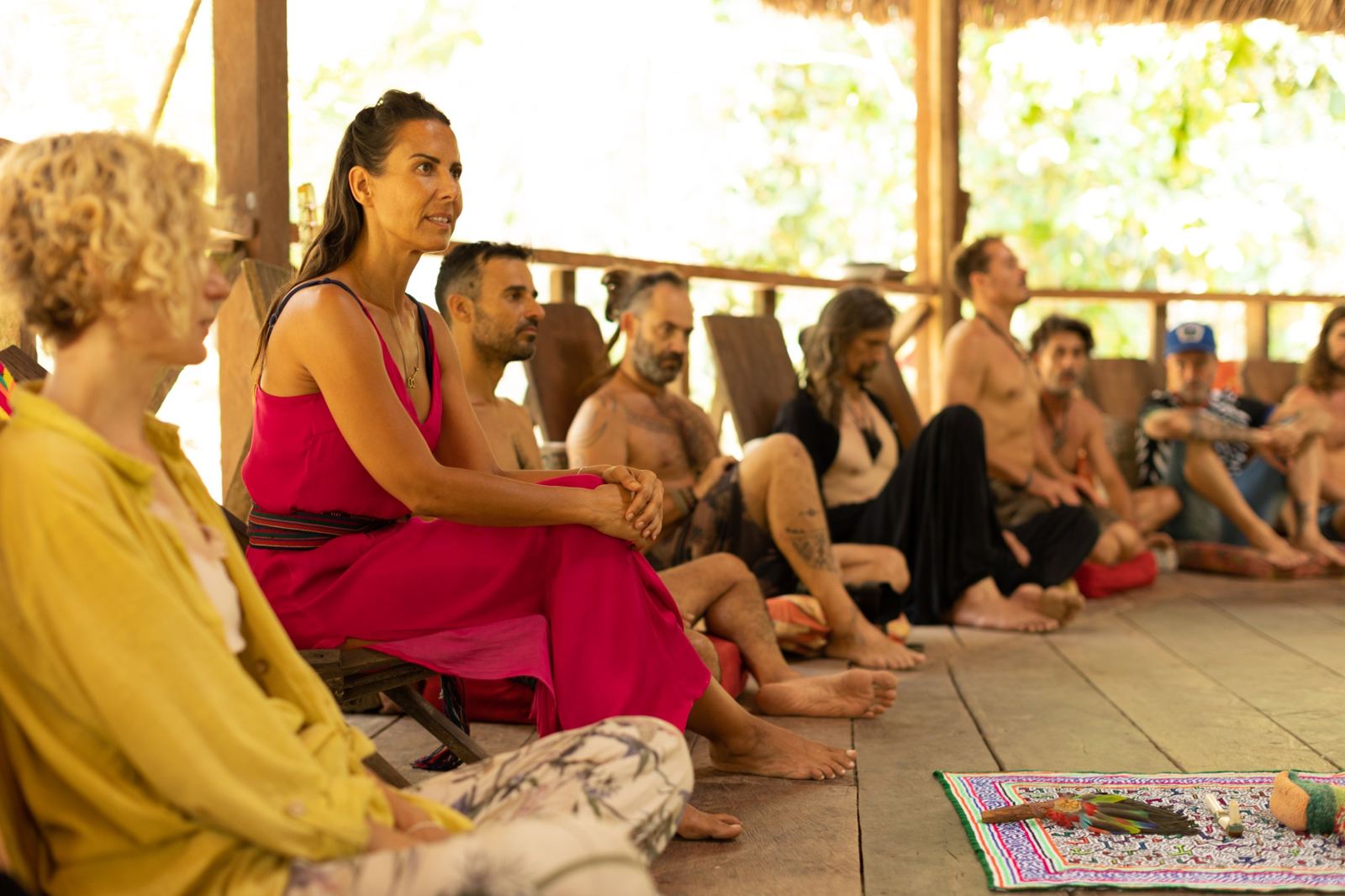
The ceremonial house, a walk from the tamboos. The five ceremonies take place here. Before each ceremony, from the second one onwards, the group gathers for an integration session: teachings, questions and sharing. On the days in between, we don’t meet.
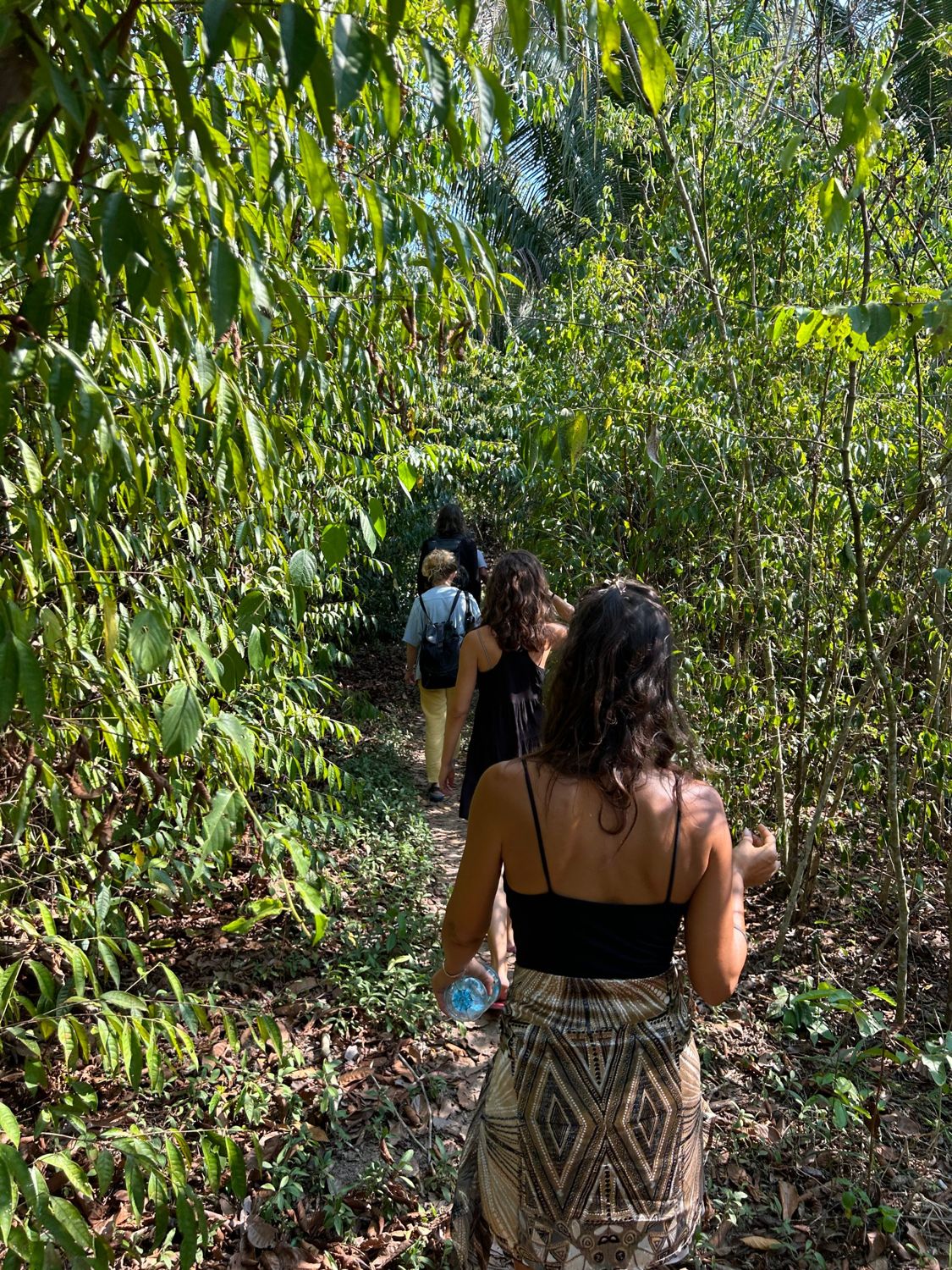
The days in between
Rest, silence, time by the river, writing, drawing, dreams. Books and art materials are welcome. These quieter days are not waiting time: much of the work happens here, gently, as what you have lived begins to settle.
How you will be held
You are never meant to walk this path alone
Support is part of the work, from the first conversation until long after you return home.
Before
Your retreat manager is your person: the one who already knows your story. Write to them with any question, doubt or worry.
In ceremony
Satya guides, with a team of assistants. Safety and harm-reduction protocols are part of how we work. You only need to ask for help.
In between
The team is present day and night, also in your tamboo: present, but never invasive.
The group
Sharing is always optional. Everything shared stays in the retreat. No photos or recordings in ceremonies, ever.
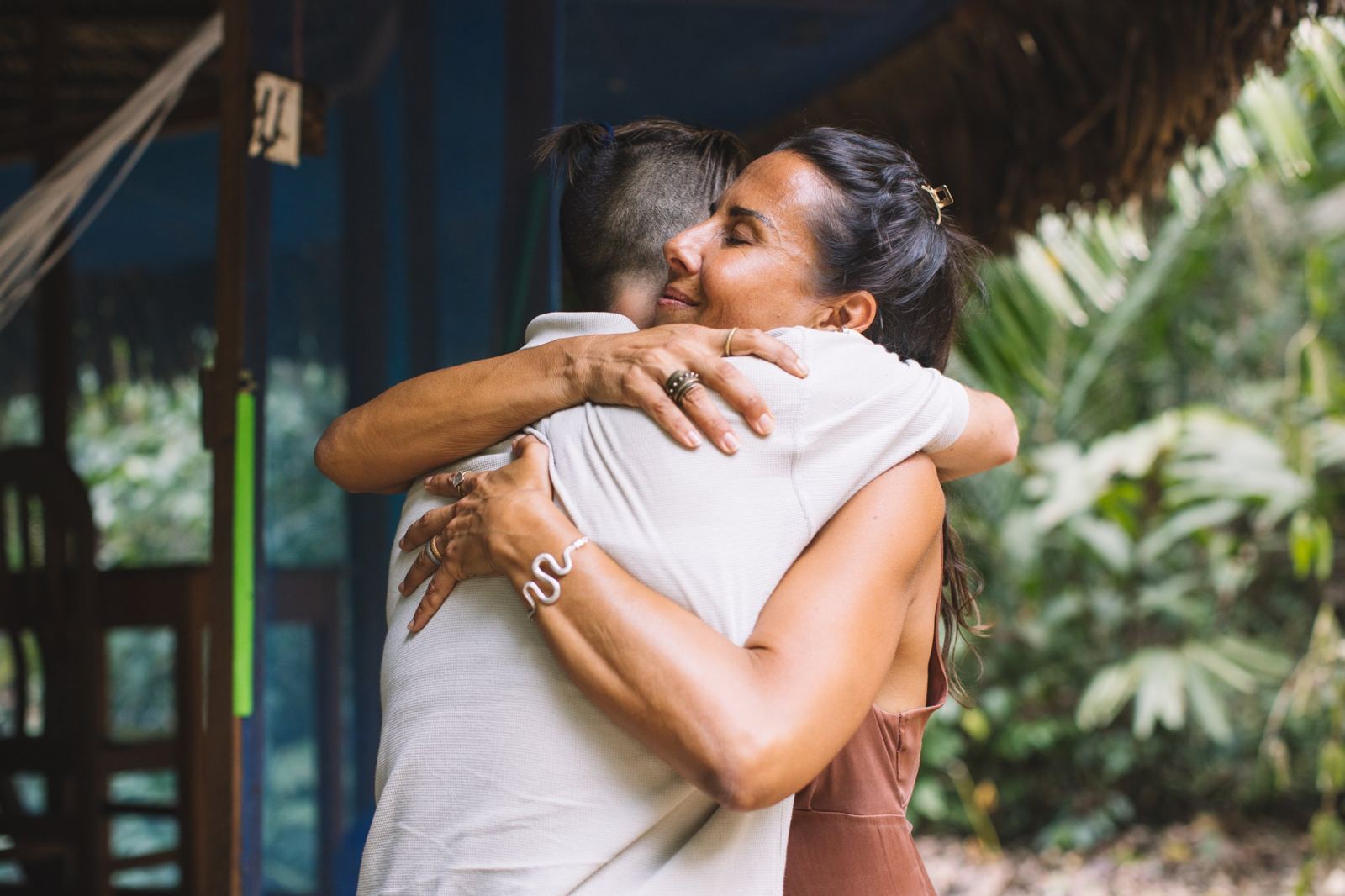
After
Three months of integration support. Wait around 30 days before making major life decisions.
After the journey
Integration: what you receive after
“I believe a great part of the ceremony happens in integration.”
Satya15-day post-retreat diet
Maintain your connection with the plant work. The team explains it before you leave the jungle.
1:1 check-in call
Personal reflection and support.
Group Zoom circle, week 1
Share experiences and early integration.
Group Zoom circle, week 3
Deepen insights and reinforce changes.
The Integration Book
Materials and daily practices to apply the lessons to everyday life.
Ongoing contact with the team
Sustained guidance and community care.
Myths and realities
Clearing away the noise
There is a lot of noise around ayahuasca today. These are the ideas we hear most often. Tap a card to turn it over and see what years of ceremony have taught us.
Gentle safety reminders
Taking care of yourself before you travel
You have already completed your health questionnaire and preparation session. These reminders help keep you safe in the weeks before you travel and after you return. Honesty about your health is part of taking responsibility for your own journey.
Don’t take any medication or supplement without telling us first
This applies from the moment you receive this guide, to anything chemical or natural. Natural doesn’t automatically mean safe: some medications, supplements and herbal products, including antidepressants, can interact dangerously with ayahuasca.
Never stop, reduce or change prescribed medication on your own
Any change must be guided by the professional who prescribes it, and agreed with your retreat manager.
If you have a medical condition
Talk to your doctor before the retreat.
If anything changes after your preparation session
Please tell your retreat manager as soon as possible, before you travel. This includes a new diagnosis, a new medication or a change in dose, an illness, a pregnancy, or a difficult emotional period. We would rather know early and adjust together than find out at the last moment. A change we only learn about on arrival may mean you can’t take part in the ceremonies.
Supplements
During your conversations with us, or during La Dieta, the team may suggest some natural supplements, such as turmeric, ginger or oregano oil. This is always adapted to you and your situation. Take them only when the team suggests it.
Vaccinations
Vaccinations are not mandatory to enter Peru. If you choose to get any, have them at least four weeks before the retreat, and tell your retreat manager before you do. If you are travelling on to another country after the retreat, check its entry requirements with that country’s embassy or consulate. Some countries ask for proof of certain vaccines, such as yellow fever, after a stay in the Amazon.
After the retreat
During the 15 days of post-retreat diet, don’t start any new medication or plan surgery without talking to us first.
Travel and health insurance
These are not included, and they are not mandatory. If you want them, please arrange both before you travel.
If something worries you, ask
No question is too small. Your retreat manager is there for you.
Part II
Preparing yourself
A journaling practice
Meeting yourself before meeting the forest
Rhythm
One area every 2–3 days, starting when you receive this guide. Less time? Go at your own pace or choose the areas that call you most.
Time
15–20 minutes somewhere quiet. Take a few slow breaths before you begin.
Write freely
No need to respond to every question. Sometimes one sentence is enough; sometimes a drawing says more.
Close
Close your notebook, take one breath, and notice how you feel.
A note of care. Some of these reflections may touch sensitive memories or emotions. That's natural. Take breaks, walk, rest. If you feel overwhelmed, you don’t have to carry it alone: reach out to us whenever you need. If you are ever in crisis or at risk of harming yourself, contact your local emergency services straight away.
Areas of my life
01
Where I am now
- If I describe this moment of my life in a few words, what comes?
- What has been asking for my attention lately?
- How does my body feel as I sit down to write?
02
My body
- How have I been treating my body lately: sleep, food, movement, rest?
- Where do I feel tension, tiredness or ease?
- What does my body tell me when I slow down and listen?

03
My emotional world
- Which emotions are most present in my days?
- What happens in me when sadness, anger, fear or vulnerability appear?
- Which emotions do I allow myself, and which do I keep at a distance?
04
My relationships
- When I look at my closest relationships, what do I notice?
- Where do I feel seen, and where do I feel alone?
- Which patterns keep repeating in the way I love, give and protect myself?
05
My family and my lineage
- What did I receive from my family that I'm grateful for?
- What have I been carrying for a long time that feels heavy?
- When I think of my parents and grandparents, what moves in me?
06
Work, purpose and contribution
- What does my work bring me: energy, meaning, tiredness, fear?
- Where do I feel I'm living by my values, and where not?
- What do I give to others and to the world through what I do?
07
Home and my daily rhythm
- How does my home feel to me?
- What fills an ordinary day, and what is missing from it?
- Where does my attention go when I'm not choosing where it goes?
08
Nature and the sacred
- What does the natural world mean to me?
- When have I felt part of something larger than myself?
- What does it mean to me to enter a forest and a tradition that are not my own, as a guest?
09
What I bring with me
An intention isn't a wish list or a goal. It's what you bring with you: the honesty and direction of your heart as you walk in. It can be simple. It can change. It can even be a question.
- Having looked at these areas of my life, what do I notice I'm bringing with me?
- What am I willing to look at?
- What would I like to offer: to myself, to the people I love, to life?
10
A letter to myself
Write this the day before you travel, and bring it with you. You'll read it again when you're home.
- I am arriving at this journey with…
- I am willing to explore…
- When things feel difficult, I can…
- Above all, I give myself permission to…
A ritual to close your preparation
What is it?
A small moment, held with intention
It doesn’t need to be elaborate, and you don’t need any experience. We suggest doing it in the evening, after writing your letter to yourself.
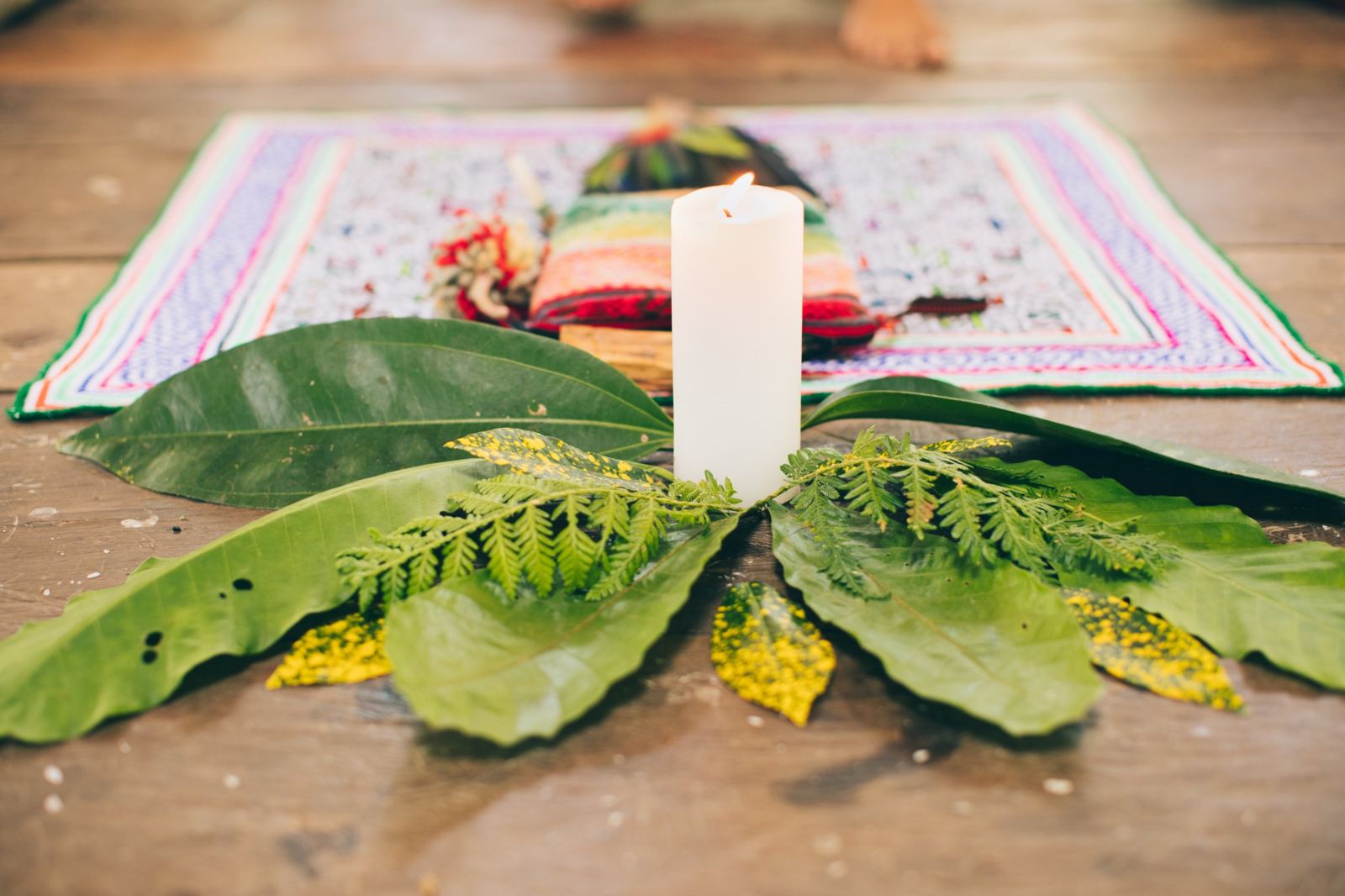
Prepare a small space
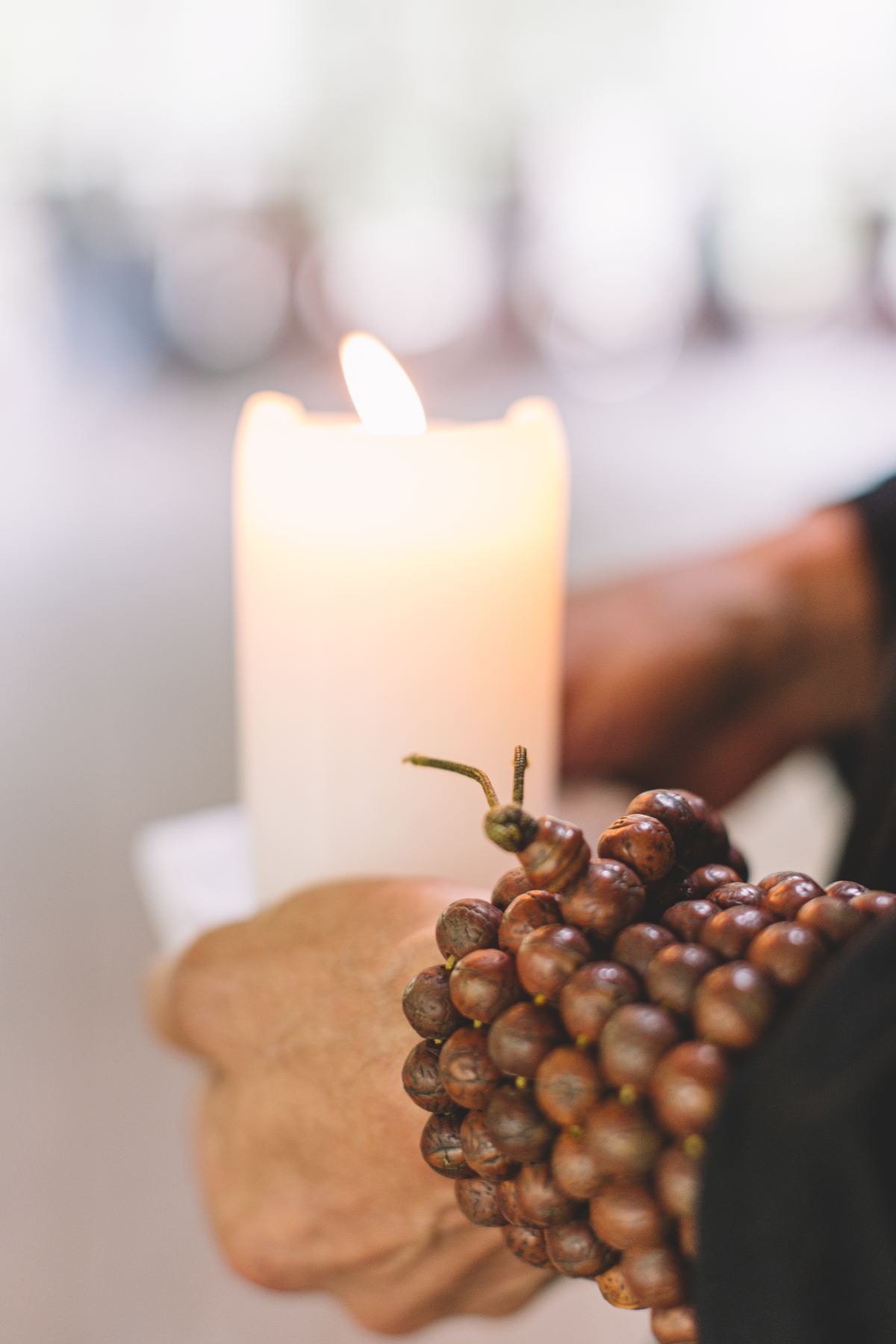
A candle, something from nature (a leaf, a stone, a flower), your notebook and your letter.
Arrive
Light the candle and sit comfortably. Close your eyes and take a deep breath. Then open them, connect with the flame, and for a moment simply relax in the light of the candle.
Look back
Before you open your notebook, take another deep breath. As you turn the pages, let yourself remember the emotions you felt as you wrote. You don’t need to reread everything.
Name what you bring
Write your intention in one simple sentence on a small piece of paper. Fold it and keep it with your letter.
Give thanks
To yourself, for the courage to prepare. To the people who support you. To the forest that will receive you.
Close
Blow out the candle with the intention of rising and carrying this consciousness into every day of your life. Pack the paper with your notebook, and bring the object from nature with you if you wish.
Practical preparation
Getting there
Part one
Before you travel
Book your flights to Lima and on to Pucallpa. International travel is not included.
Send your retreat manager your flight details, and tell them if anything changes.
Send a photo of your passport. Check your passport and any visa you may need, and keep copies separately.
Travel and health insurance, if you want.
Start the preparation diet 15 days before the retreat.
In the weeks before, gradually reduce screens: it makes the transition to the jungle gentler. In the jungle there is no wi-fi and no electricity.
Tell the people close to you when you’ll be unreachable.
Organise work and home so you can leave without pressure. If you can, plan one or two quiet days after you return before going back to work.
Part two
Arriving in Pucallpa
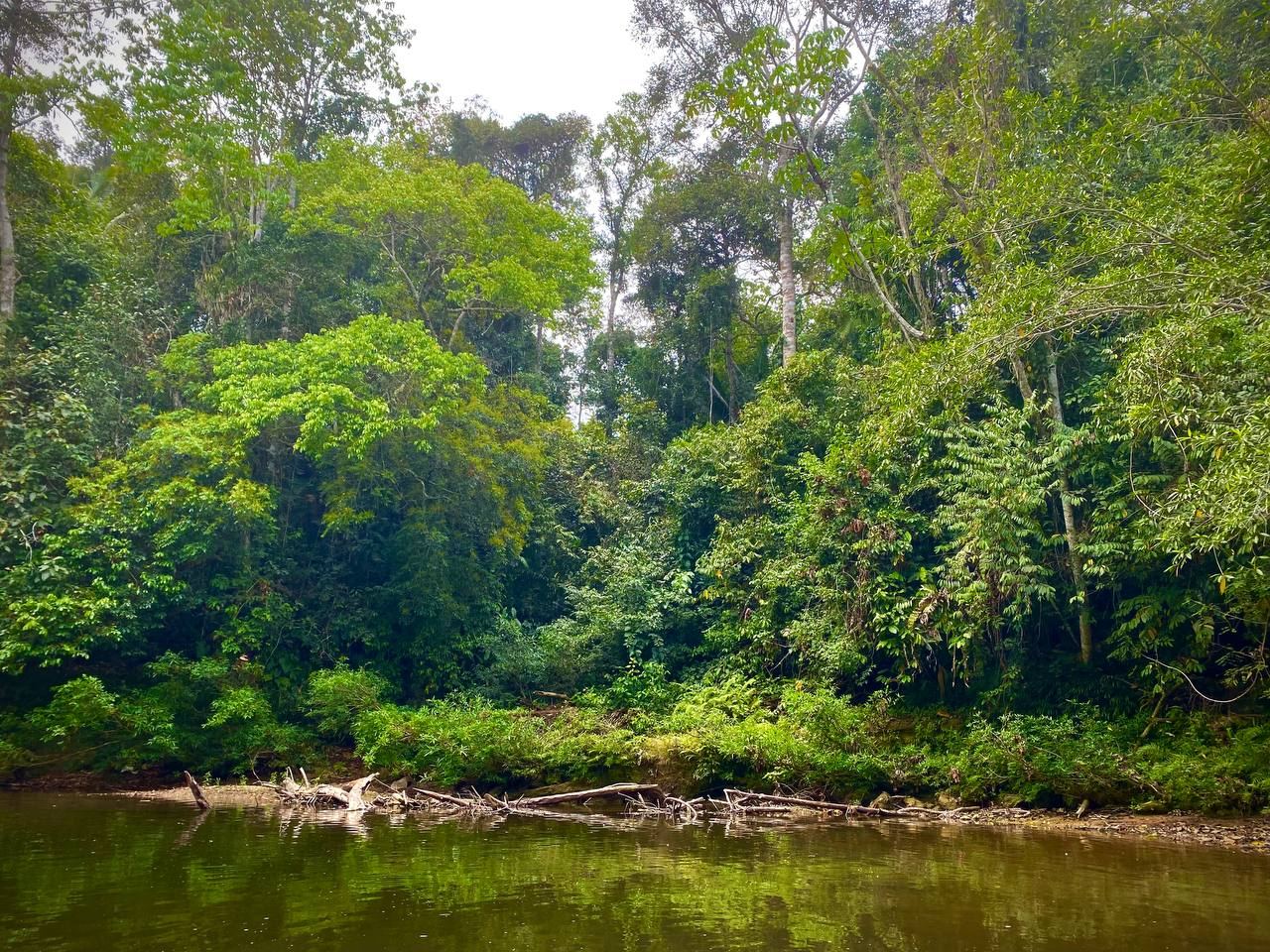
We meet you at the airport
Our transfer meets you at Pucallpa airport. The driver will have your name, so please wait for them.
Your first night
At a hotel in Pucallpa, in a shared room with other participants. A private room, if agreed, is paid directly to the hotel, in cash or by card. So is an extra night if you arrive early.
Welcome and registration
Upon your arrival we welcome you, complete your registration and explain how the following days will work.
The next morning
We travel together to the retreat centre by car and canoe.
Arriving around lunchtime?
You can buy a raincoat, rubber boots and Crocs at the Pucallpa market.
What to bring
Your packing list
Tick off as you pack.
0 out of 30 packed
What to leave at home: shampoo, perfume and other scented products. In the jungle you’ll bathe in the river with guayusa leaves.
Essentials
Clothing
Gear
Reflection and creativity
Natural supplements
Only if the team suggests them for you.
Giving back
The Sacred Life Forest
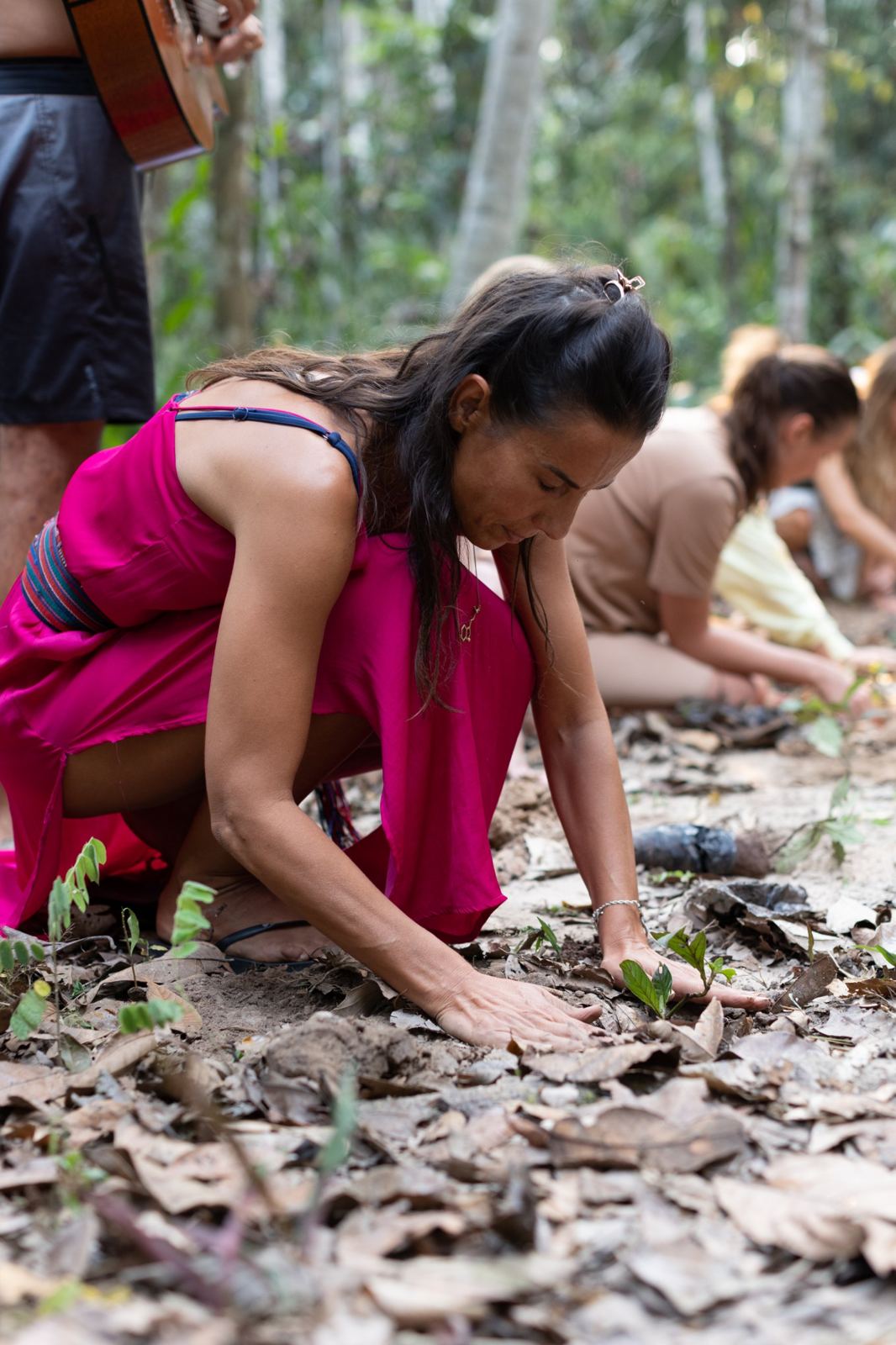
Sustaining our long relationship with the community, we also give back to the forest. That is why we created the Sacred Life Forest, a protected reserve in the Peruvian Amazon, to protect the land, its water, its plants and its animals.
During the retreat there is a sacred space where you plant seeds in the forest, seeds that will keep growing long after you leave. You become part of this sacred space, and part of giving back.
And who knows: you might even take a little of the forest home with you, not only in spirit.
Glossary
Words you'll hear
Ayahuasca
From Quechua, "vine of the soul". The sacred brew, and the vine it is made from.
Chacruna
The plant whose leaves are prepared together with the ayahuasca vine.
Guayusa
A plant whose leaves are used for bathing in the river during La Dieta, instead of soap and shampoo.
La Dieta
The practice at the heart of the retreat: a way of eating and living, in simplicity and silence, that prepares body, mind and heart to meet the plants.
Icaros
The sacred healing chants of the Amazonian plant traditions, sung by Satya in ceremony.
Integration
Bringing what you lived in the retreat into your everyday life.
Integration session
The group gatherings in the maloca before the ceremonies, from the second one onwards, for teachings, questions and sharing.
Maloca
The ceremonial house where the group gathers.
Purge
The release of what the body and heart carry, through vomiting, tears, sweating, yawning or trembling.
Retreat manager
The person from our team who has been accompanying you since your preparation session, and your contact for everything.
Sacred Life Forest
The protected reserve Working With Satya is creating in the Peruvian Amazon, where you'll plant a tree.
Tamboo
Your private wooden bungalow in the jungle.
Teacher plant
A plant understood as a living being and a teacher, not a substance.
Vegetalistas
Healers of the Peruvian Amazon who work with plant medicine. The tradition our ceremonies follow.